Guides
Renting an RV for the First Time: A Complete Beginner's Guide for the Bay Area
Rig types, real costs, license rules, the pickup inspection that protects your deposit, and what to actually pack. Everything a first-timer needs before the keys change hands.
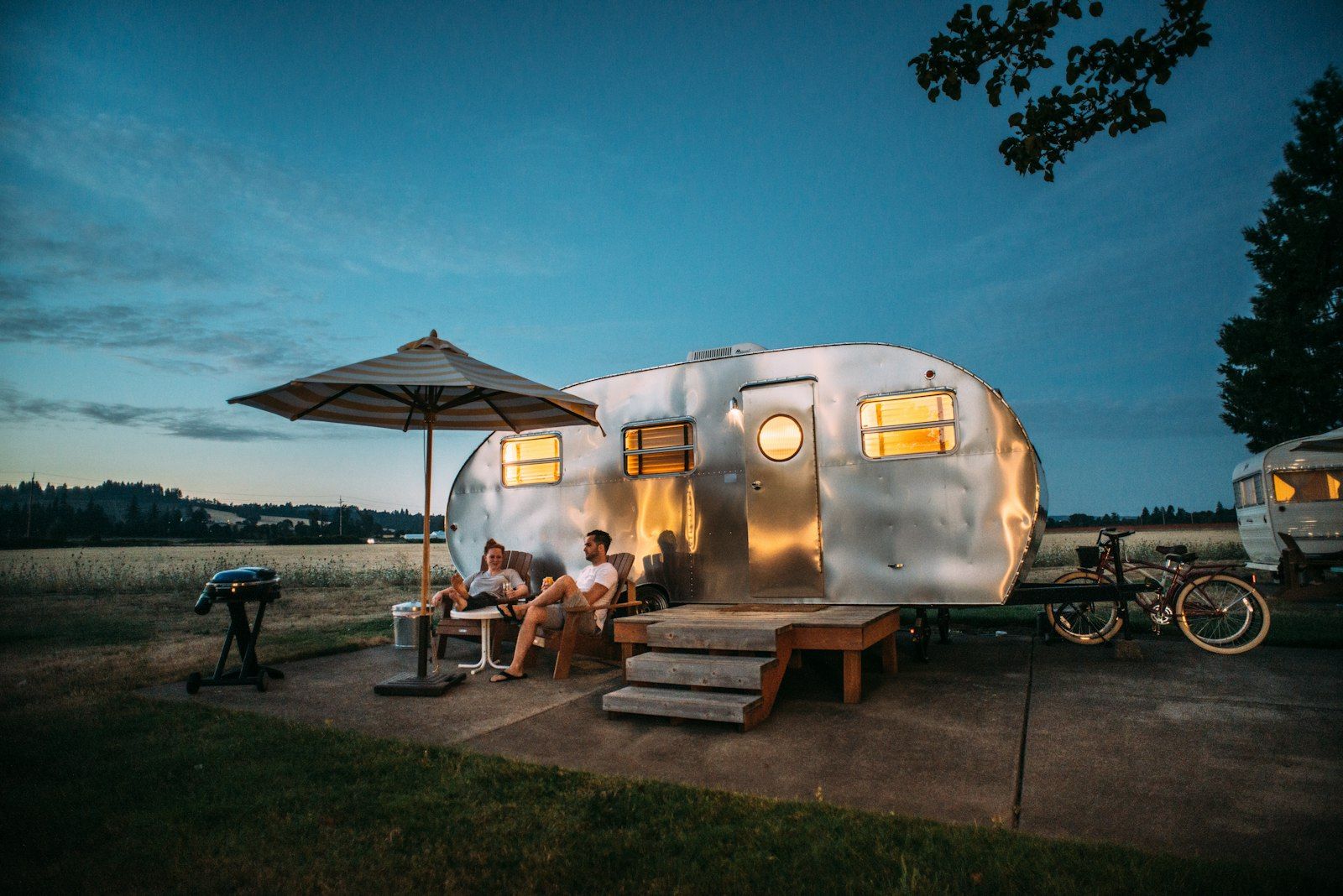
The rig types, honestly compared
First-timers overthink the brand and underthink the category. The category decides how the trip feels: how easy it is to drive, where it fits, and how much it costs. Here is the field:
| Type | Drives like | Sleeps | Best for |
|---|---|---|---|
| Campervan / Class B | A big SUV | 2 | Couples doing city + coast; easiest parking |
| Class C motorhome | A moving truck | 4 to 6 | Families; the default first rental |
| Class A motorhome | A bus | 6 to 8 | Long stays; check every park length limit |
| Travel trailer | Your truck + practice | 4 to 8 | Cheap and roomy if you can tow and back up |
| Truck camper | A tall pickup | 2 to 3 | Rugged trips; limited indoor space |
For a first Bay Area trip, the answer is almost always a campervan or a Class C. A Class C is the sweet spot for a family of four: it sleeps everyone, drives without terror after the first hour, and fits the sites at Marin RV Park, Petaluma KOA, and SF RV Resort. Campervans win if the trip is mostly driving and city days, because you can actually park them. If you are flying in specifically, read our flying-in rental guide next; it is the airport-specific companion to this one, covering pickup near SFO and OAK.
Where rentals come from
Three sources, three personalities:
- Owner marketplaces (Outdoorsy, RVshare): the widest selection and often the best value. You rent a real person's rig, which means real quirks and real advice from someone who knows the exact vehicle. Owners set their own prices, cancellation terms, and mileage allowances, so read each listing instead of assuming.
- Fleet operators (Cruise America and similar): standardized motorhomes, consistent pricing, and one-way rentals between cities. Less character, more predictability, and a corporate roadside assistance line.
- Local dealerships and small fleets: a middle ground common around the Bay Area. Worth calling if the marketplaces are picked over for your dates.
Compare at least two sources for the same dates. Owner-marketplace prices move with demand the way airline tickets do; a Tuesday pickup can be meaningfully cheaper than a Friday one.
The real cost stack
The nightly rate is the headline. The total is the story. Here is everything that can appear on the bill:
| Line item | Typical range | Notes |
|---|---|---|
| Nightly rate | $120 to $300+ | Campervans at the low end, big Class As at the top; summer highest |
| Service / booking fee | 10 to 20% of rental | Marketplace fee; fleets bake it into the rate |
| Insurance or protection plan | $15 to $40 per day | Required in some form on most rentals |
| Mileage | $0.35 to $0.60 per mile over the included allowance | Map your route first; this is the classic surprise |
| Generator | $3 to $5 per hour on some listings | Mostly avoidable if you stay on hookups |
| Cleaning fee | $75 to $200 | Charged if you return it dirty; sometimes flat, sometimes conditional |
| Security deposit | $500 to $2,000 (refundable) | Held on your card, not charged, unless there is damage |
| Campgrounds | $65 to $125+ per night near SF | The line item people forget to budget entirely |
Add it up before you book, not after. A "$150 a night" Class C becomes $250 a night all-in very quickly, and that is before fuel. Our trip cost planner runs a complete sample budget so you can see the whole stack in one place.
When you book matters as much as what you book. Summer and holiday weeks command the highest nightly rates on every platform, sometimes double the winter price for the same rig. If your dates are flexible, the shoulder seasons (April to May, September to October) deliver the best combination of price, weather, and campground availability around the Bay Area. Midweek pickups are often cheaper than Friday pickups, and a seven-night rental frequently prices better per night than a four-night one because owners prefer longer bookings. Set up alerts on both marketplaces for your dates and watch for a week or two before committing; prices move, and patience is regularly rewarded.
License and age rules in California
Good news for most renters: a standard rental motorhome (Class B, Class C, and most smaller Class As) drives on a regular California Class C driver's license, the same one you use for your car. Out-of-state and international licenses are generally accepted by rental companies; international visitors should carry an International Driving Permit alongside their home license, since some hosts ask for it.
Age is the stricter gate. Most companies and marketplace hosts require the primary driver to be 25 or older. Some allow 21 to 24 with a young-driver surcharge and a smaller menu of vehicles. If you are under 25, filter for it explicitly before you get attached to a listing.
Two more rules worth knowing: California requires children under 8 to be in a car seat or booster in a vehicle, which includes motorhomes, and seatbelts are required for all passengers while the vehicle is moving. Plan the seating and the car seats before pickup day.
Pets ride too, with rules. Most rental companies and hosts allow dogs, often for a pet fee, but policies on breeds, numbers, and where pets may go inside the rig vary. Ask explicitly and get it in writing; a surprise pet can cost you the deposit. Bring the dog's bed, food, and a long lead for campground stops, and never leave a pet alone in a parked RV on a warm day. Even with roof vents open, interior temperatures climb fast in direct sun, and Bay Area campgrounds take this seriously.
The pickup inspection checklist
This is the highest-value hour of your trip. Everything you document at pickup is a deposit dispute you never have. Do it in daylight, take photos and short videos of everything, and send copies to the host so there is a shared record.
- Exterior: walk all four sides plus the roof line you can see. Photograph every scratch, dent, and cracked light. Check tire age and tread, and look for soft spots or delamination on the walls.
- Appliances: run the fridge (it needs hours to cool; confirm it is on), the water heater, the furnace, the air conditioner, the stove burners, and the microwave.
- Water and tanks: confirm fresh water is full, the water pump works, and you know where the gray and black dump valves are. Ask where the low-point drains are too.
- Power: test the generator under load, check the battery levels, and ask how the solar or inverter setup behaves. If the rig has an inverter, learn what it can and cannot run.
- Safety gear: locate the fire extinguisher, smoke and CO detectors (test them), the spare tire and jack, the fuse box, and the leveling blocks or jacks.
- Paperwork: get the host's emergency number, the roadside assistance number, and the exact return condition in writing: fuel level, tank status, and interior condition expected.
Ask the host to show you the dump valves and the water heater bypass in person. Those are the two systems first-timers call about at 10pm, and a five-minute demo at pickup prevents both calls.
Driving it: surviving the first hour
The first hour behind the wheel of a rented motorhome is the steepest learning curve of the trip. After that, it feels normal. Here is how to get through the hour:
- Set the mirrors before you move. Big side mirrors are your eyes. Adjust them so you can see down both sides of the rig, and learn to check them constantly. The rearview mirror inside is decorative on a motorhome; forget it exists.
- Know your height and write it on the dash. A Class C is typically 10 to 11 feet tall; a Class A can push 12 or 13. Write the number on a sticky note where you can see it. Low clearances that matter: fast-food drive-throughs, parking garages, older gas station canopies, and tree branches on campground roads. When in doubt, do not go under it.
- Turn wide, especially right. The rear wheels cut the corner. Swing a little wider than feels necessary on right turns and watch the mirror to keep the tail off the curb. This is the maneuver that damages most rental RVs.
- Brake early and follow at a distance. A loaded Class C weighs three to four times what your car does. It does not stop like your car. Leave a generous gap, brake progressively, and descend long grades in a lower gear instead of riding the brakes.
- Fuel stops need planning. Not every station fits a 30-foot rig. Look for stations with truck or RV lanes, pull through instead of backing out, and fill up when the gauge hits half on unfamiliar routes. Along Highway 101 and I-80, the big travel plazas are your friends.
- Backing up: get out and look. The acronym is GOAL, and it is not a joke. Before reversing into a campsite, walk it: check for posts, branches, picnic tables, and the slope. Use a spotter with agreed signals or a phone call, and go slower than walking pace. Every experienced RVer has a backing-up story; the goal is to keep yours boring.
Bay Area specifics: the Golden Gate Bridge is all-electronic tolling with no cash booths, so you just drive through and the toll is billed to the vehicle's plates (rental companies pass it through, sometimes with an admin fee). Bridges get windy; slow down and keep both hands on the wheel when gusts hit. And in the city itself, do not even try: park the rig at Marin or Candlestick and take the ferry or Muni, as our city guide explains. San Francisco's hills, tight turns, and low parking garages are an advanced course you do not need on day one.
What hosts include vs. what to bring
Listings vary wildly. Some owners hand you a rig stocked like a vacation rental; some hand you keys and a shrug. Clarify these before you pack:
- Usually included: basic kitchenware (pots, plates, utensils), bedding or sleeping bags on request, leveling blocks, sewer hose, fresh-water hose, and a first aid kit. Ask; do not assume.
- Often extra or absent: camp chairs, outdoor rug, coffee maker, towels, grill, and bike racks. Many hosts rent these as add-ons.
- Bring yourself: your own pillows if you are picky, phone chargers and a power bank, a headlamp, sunscreen, layers for the marine layer (San Francisco in July can feel like November), and groceries for the first two days.
Two items worth owning even as a renter, because hosts' versions are often tired: a decent water filter and your own leveling blocks. Campground water is safe but tastes like a swimming pool in some parks; an inline filter on the fill hose fixes it.
Camco TastePURE Water Filter
Inline carbon filter that attaches to the fill hose. Better tasting water at every park, and it protects the rig's plumbing from sediment.
Lynx Levelers Renter favorite
Ten interlocking blocks that stack to level the rig on sloped pads. Ask the host first, then bring your own if theirs look rough.
Returning without losing the deposit
Deposits are lost on three things: damage, dirt, and tanks. Damage is what the pickup photos prevent. The other two are in your control:
- Empty the tanks. Return with black and gray empty and the valves closed. Our dump station guide walks through the whole process; plan your last dump for the morning of return.
- Clean to the listing's standard. Most hosts expect broom-clean: sweep, wipe surfaces, empty the fridge, take out trash. Some charge a flat cleaning fee regardless; that is fine, it is the "returned filthy" surcharge you want to avoid.
- Fuel and propane. Return at the agreed levels. Note the gauge at pickup with a photo.
- Report problems early. If something broke mid-trip, tell the host when it happens, not at return. Honesty during the trip reads as normal wear; silence reads as hiding damage.
- Do the walkaround together. Compare against the pickup photos, on the spot, with the host. Get the deposit release confirmed in writing before you drive away.
One more deposit-saver: know the parking rules before you move the rig at all. A ticket on a rental is the renter's problem, and tickets have a way of arriving after the deposit is released.
This page contains affiliate links. If you book or buy through them, we may earn a commission at no extra cost to you. See our affiliate disclosure.
Common questions
How much does it cost to rent an RV in the Bay Area for a week?
A ballpark for a Class C motorhome in shoulder season is $1,000 to $1,800 for the week before fees. Add mileage, insurance or protection plans, generator use, campground fees, and a refundable security deposit. Our trip cost planner breaks down a full 7-day budget.
Do I need a special license to rent an RV in California?
For the standard rental motorhomes (Class B and most Class C), a regular Class C driver's license is enough. Very large or heavy rigs can have different requirements, so confirm with the rental company for the specific vehicle.
How old do you have to be to rent an RV?
Most rental companies and peer-to-peer hosts require drivers to be 25 or older. Some allow 21 to 24 with an extra fee and restricted vehicle choices. Check the listing before you fall in love with a rig.
What should I check when I pick up a rental RV?
Walk the exterior for existing damage and photograph everything, test every appliance and system (fridge, water heater, AC, heater, generator, awning), confirm tank levels, and make sure you know where the dump valves, fuse box, and spare tire are. Get the host's emergency contact in writing.
Can I take a rental RV to Big Sur or Yosemite?
Usually yes, but check the listing's mileage limits, restricted areas, and the rig's length against park limits. Limekiln State Park in Big Sur caps rigs around 24 feet. Plan the route around the vehicle, not the other way around.
Flying in? Rent the RV, we will show you where to park it
No rig of your own? Book a motorhome or campervan from a local owner or fleet and pick it up near SFO or in the city. Compare live prices on the big rental marketplaces.
Affiliate links. We may earn a commission if you book, at no extra cost to you. How this works.
Keep planning: compare prices on the flying-in rental page, budget the week with the trip cost planner, pick your home base from the best parks ranking, and learn the tank routine in the dump station guide.